Safari Photography Tips for Beginners
You do not need professional gear to come home with great pictures. These tips cover light, lenses, stability, patience and respectful behaviour around wildlife.

Safaris are a gift for photographers: animals in beautiful light, close enough for good frames. You do not need the most expensive camera. Understanding light, patience and your guide will matter more.
Use the best light
The first and last hours of the day give soft, golden light and long shadows. Midday sun is harsh, so use that time to rest, or look for shade, silhouettes and birds. Game drives start at dawn for this reason.
Choose the right lens
A zoom lens in the 200 to 400 mm range suits most wildlife from a vehicle. A shorter lens is useful for landscapes, camp life and animals that come close. If you only have a phone, use its zoom sparingly and get closer by being patient instead of cropping heavily.
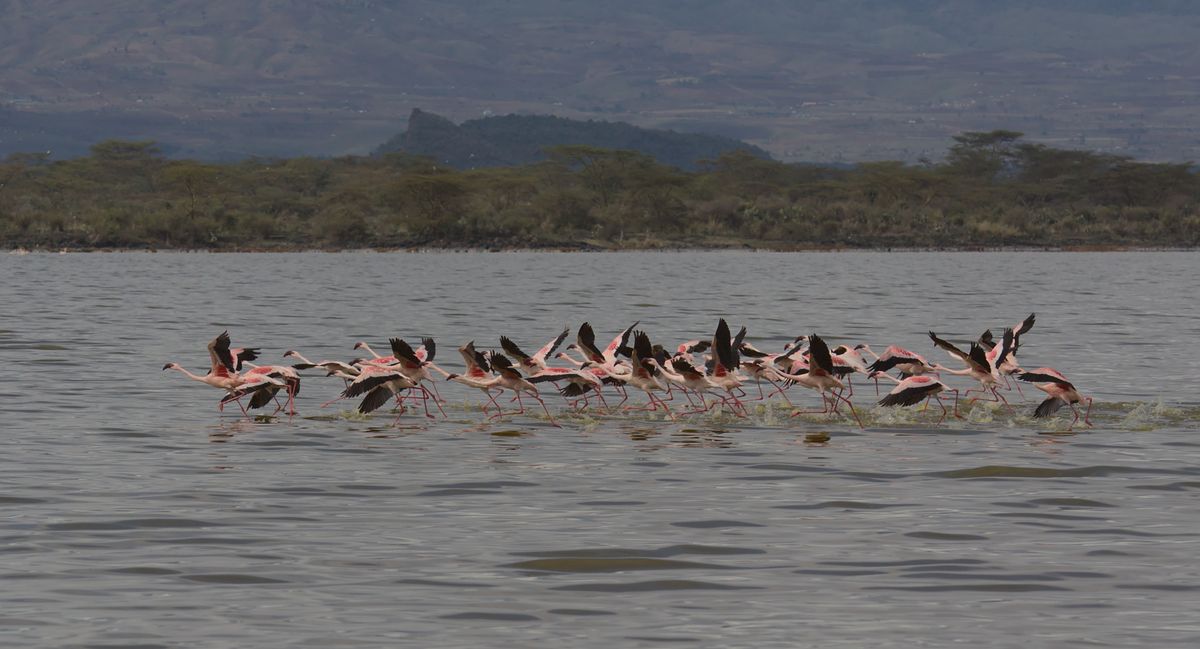
Keep your camera steady
- Rest your lens on a beanbag or folded jacket on the window frame. Many guides provide beanbags.
- Ask the driver to switch off the engine when you are shooting, because the vibration spoils sharp images.
- Use a fast shutter speed for moving animals, and a lower one if you want to show motion.
Get the shot, not the chase
Wildlife does not follow a schedule. Wait and watch. Animals often settle, yawn or interact after a few minutes. Focus on the eyes, and shoot a series of frames when something starts to happen.
Think about the frame
- Get on the animal's eye level where you safely can.
- Leave space in the direction an animal is looking or moving.
- Include habitat and sky to tell a bigger story.
Respect the animals
Never ask your guide to get too close or to disturb wildlife for a photograph. Good guides know the rules and how to position the vehicle without stress to the animal. Keep your voice low and your hands inside the vehicle.
Protect your gear
Dust and humidity are the main risks. Carry a lens cloth, a dust cover or plastic bag, spare batteries and enough memory cards. Back up your pictures every evening. More packing ideas are in our safari packing list.
Where to practise
The Masai Mara, Amboseli and the Serengeti all offer excellent opportunities. If photography is the main goal, tell us and we will suggest guides, vehicles and camps that suit longer, quieter sessions.
Planning your safari?
Tell us your dates and we will send an itinerary and price.