When to See the Great Migration: A Month-by-Month Guide
The wildebeest never stop moving, but the herds follow the rains. Here is where they usually are each month, and how to match your dates to the moments you most want to see.

The Great Migration is not a single event. It is a year-round circuit of more than a million wildebeest, with zebra and gazelle alongside, following the rains between Tanzania's Serengeti and Kenya's Masai Mara. Timing shifts by a few weeks each year, so treat the months below as a guide rather than a promise.
January to March: calving season in the south
The herds gather on the short-grass plains of the southern Serengeti and the Ndutu area. Thousands of calves are born within a few weeks, usually from late January to mid-March. Predators follow the herds, so this is a strong time for lion, cheetah and hyena sightings.
Good for: newborn wildebeest, predator action, fewer vehicles than the peak season.
April to June: the herds move north
As the long rains arrive and the southern grass dries out, the herds begin to move north and west. In May and June they often funnel through the western corridor, where the Grumeti River can offer early river crossings. The landscape is green and lodges are usually quieter.
Good for: lush scenery, lower rates, fewer crowds.
July to October: the river crossings
From about July the herds reach the northern Serengeti and then the Mara River, where they cross into Kenya's Masai Mara. Crossings are dramatic and unpredictable: herds can wait at the bank for hours or days before one animal commits. This is the busiest and most expensive part of the year, so book early.
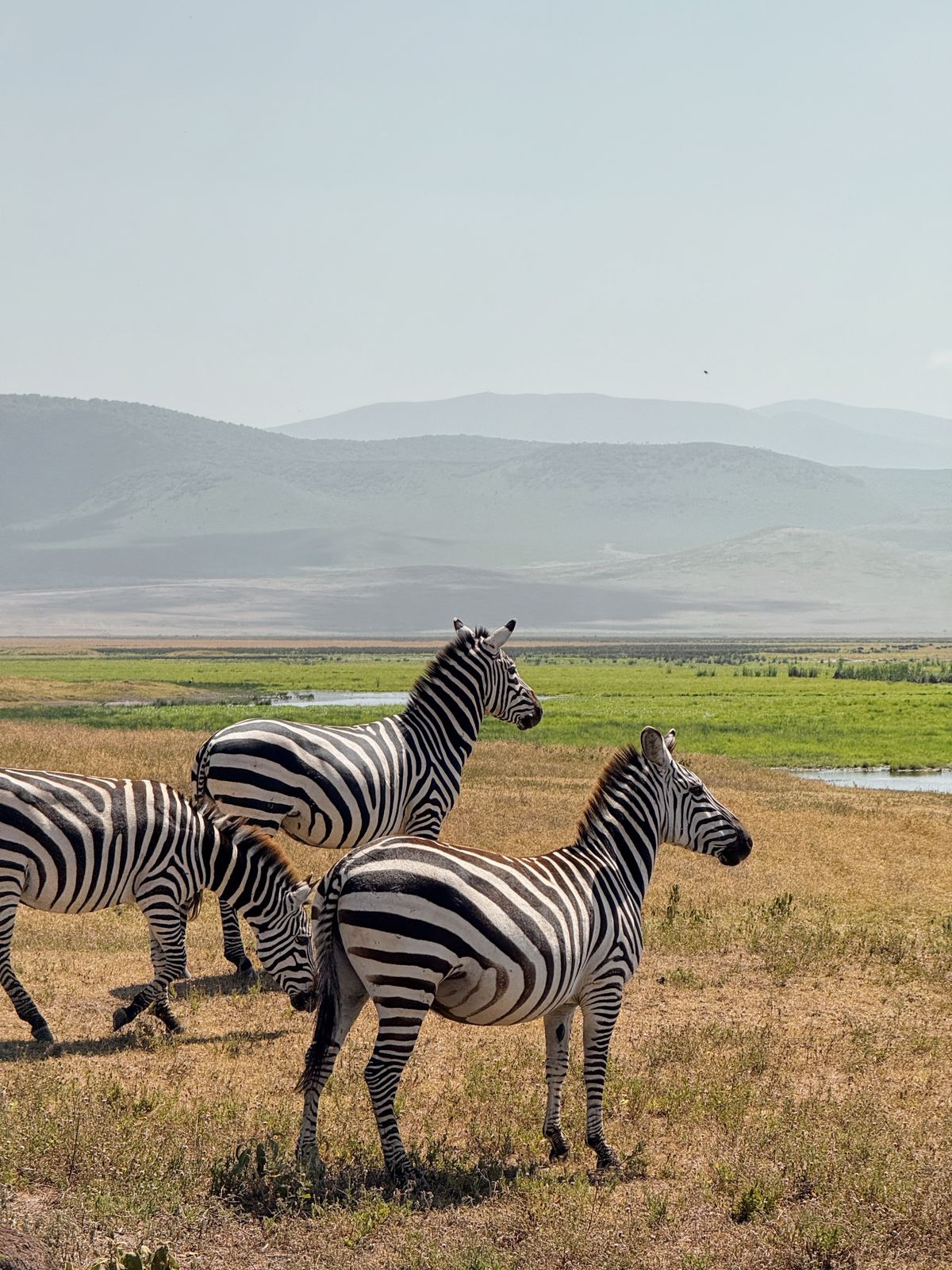
Good for: river crossings, big-cat hunting, long dry-season game drives.
November to December: heading south again
Short rains draw the herds back south through the eastern Serengeti. Crossings are less likely, but the wildlife is still plentiful and the parks are quieter.
How to choose your dates
- Want river crossings? Plan for August or September, and book early.
- Want calves and predators? Choose February, and look at the Serengeti.
- Want fewer vehicles and a lower price? Look at April, May or November.
- Not sure? Tell us what you most want to see and we will suggest a route and dates.
No month is guaranteed, because the rains decide where the herds go. A flexible itinerary that covers both the Serengeti and the Masai Mara gives you the best chance of finding them. Our 12-Day Great Migration safari is built around exactly that idea.
Ready to plan it?
Browse our safari packages, read the safari planning guide for visas and health, or talk to our team about the best week for your travel dates. If you are also thinking about gorillas, see Rwanda or Uganda: how to choose.
Planning your safari?
Tell us your dates and we will send an itinerary and price.